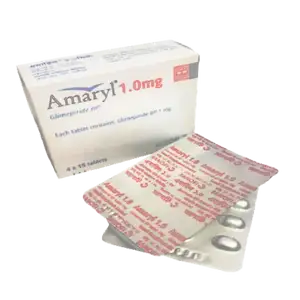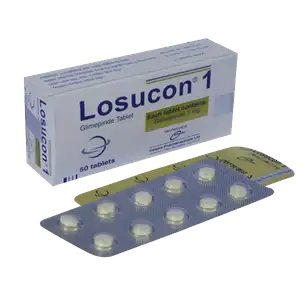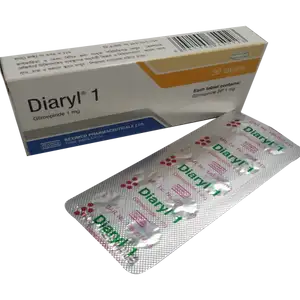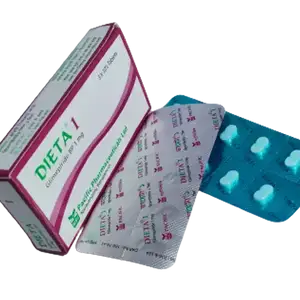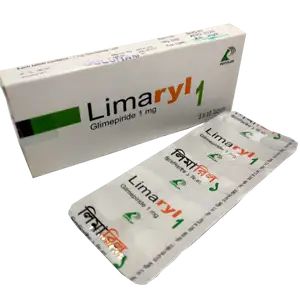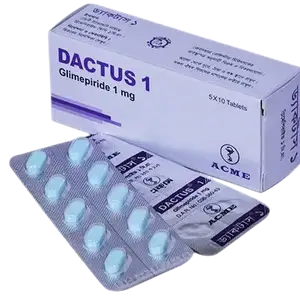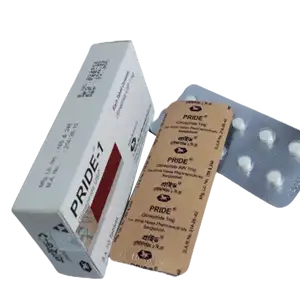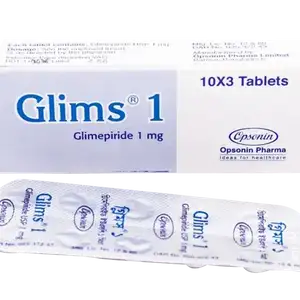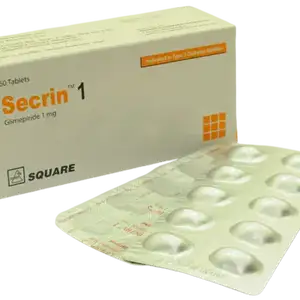
Secrin 1 Tablet
by Square Pharmaceuticals Limited
৳6.00
ACI Limited

Glimepiride.
Glimepiride is indicated in following conditions-
Glimepiride could be a sulfonylurea antidiabetic specialist which diminishes blood glucose concentration. The essential instrument of activity of Glimepiride shows up to be subordinate on invigorating the discharge of affront from working pancreatic beta cells. Glimepiride acts in concert with glucose by moving forward the affectability of beta cells to physiological glucose jolt, coming about in affront discharge. In expansion, extrapancreatic impacts like lessening of basal hepatic glucose generation, expanded fringe tissue affectability to affront and glucose take-up may too play part within the movement of Glimepiride. In non-fasting diabetic patients, the hypoglycaemic activity of a single dosage of Glimepiride holds on for 24 hours.
In principle, the dosage of Glimepiride is governed by the desired blood sugar level. The dosage of Glimepiride must be the lowest which is sufficient to achieve the desired metabolic control. The initial and the maintenance doses are set based on the results of regular check of glucose in blood and urine. Monitoring of glucose levels in blood and urine also serves to detect either primary or secondary failure of therapy.
Initial dose and dose titration: the usual initial dose is 1 mg once daily, if necessary, the daily dose can be increased. Any increase can be based on regular blood sugar monitoring, and should be gradual, i.e., at intervals of 1 to 2 weeks, and carried out stepwise, as follows: 1 mg -> 2 mg -> 3 mg -> 4 mg -> 6 mg.
Dose in patients with well controlled diabetes: the usual dose range in patients with well controlled diabetes is 1 to 4 mg daily.
Distribution of doses: Timing and distribution of doses are decided by the physician, in consideration of the patient's current life-style. Normally, a single daily dose is sufficient. This should be taken immediately before a substantial breakfast or if none is taken immediately before the first main meal. It is very important not to skip meals after taking the drug.
Secondary dosage adjustment: As control of diabetes improves, sensitivity to insuiin increases; therefore, Glimepiride requirement may fall as treatment proceeds. To avoid hypoglycaemia, timely dose reduction or cessation of Glimepiride therapy must be considered. A dose adjustment must also be considered whenever the patient's weight or life-styie changes, or other factors arise which cause an increased susceptibility to hypo or hyperglycaemia.
Changeover from other oral antidiabetics to Glimepiride: There is no exact dosage relationship between Glimepiride and other oral blood sugar lowering agents. When substituting Glimepiride for other such agents, the initial daily dose is 1 mg; this applies even in changeover from maximum dose of other oral blood sugar lowering agents. Any dose increase should be in accordance with guideline given above in 'initial dose and dose titration'. Consideration must be given to the potency and duration of action of the previous blood sugar lowering agent. It may be necessary to interrupt treatment to avoid additive effects which would increase the risk of hypoglycaemia.
Based on involvement with Glimepiride and known intelligent for other sulfonylureas, the taking after intuitive must be considered.
In expansion to affront and other verbal antidiabetic specialists, drugs which may potentiate the hypoglycaemic activity of Glimepiride incorporate: Expert inhibitors, aminosalicylic corrosive, anabolic steroids and male sex hormones, azapropazone, chloramphenicol, ciofibrate, coumarin subsidiaries, cyclophosphamide, disopyramide, fenfluramine, fenyramidol, fibrates, fluconazole, fluoxetine, guanethidine, ifosfamide, MAO-inhibitors, miconazole, oxpentifylline (tall dosage parenteral), oxyphenbutazone, para-aminosalicylic corrosive, phenylbutazone, probenecid, quinolones, salicylates, sulphinpyrazone, sulfonamide anti-microbials, tetracyclines, tritoqualine, trofosfamide.
Drugs which may attenuate the hypoglycaemic action of Glimepiride include:
Glimepiride is not recommended for the treatment of insulin-dependent diabetes mellitus (type I), diabetic ketoacidosis, or diabetic coma. Patients who are hypersensitive to Glimepiride, other sulfonylureas, other sulfonamides, significant hepatic dysfunction, severe impairment of renal function, or dialysis patients should not take Glimepiride.
Hypoglycaemia, transitory visual disability, sickness, heaving, the runs, stomach torment, urticaria, drop in blood weight.
Glimepiride must not be taken amid pregnancy; a changeover to affront is vital. Patients arranging a pregnancy must advise their doctor, and ought to alter over to affront. Ingestion of Glimepiride with breast drain nourishing may hurt the child. Hence, Glimepiride must not be taken by breastfeeding ladies. Either a changeover or total suspension of breastfeeding is vital.
The risk of hypoglycemia may be higher in the first few weeks of treatment, necessitating cautious monitoring. If such a danger exists, the dosage of Glimepiride may need to be adjusted. Hypoglycemia may nearly always be corrected with immediate carbohydrate ingestion (glucose or sugar).
Sulfonylureas.
Do not store at temperatures above 30°C. Keep out of the reach of youngsters and away from light.
ACI Limited
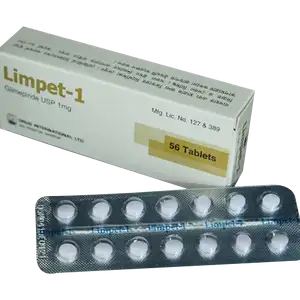
by Drug International Limited
৳4.00