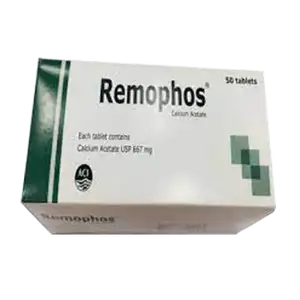
Lofos 667 Tablet
by Square Pharmaceuticals Limited
৳6.00
Popular Pharmaceuticals Ltd.
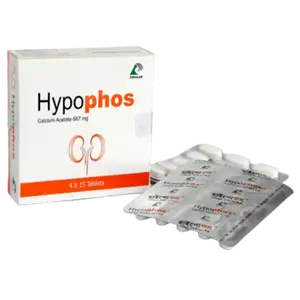
Hypophos tablet from Popular Pharmaceuticals & Generic is Calcium Acetate 667mg. Calcium acetate is used to treat hyperphosphatemia and manage hyperphosphatemia in patients with end-stage renal failure.
Calcium acetate is used to treat hyperphosphatemia and manage hyperphosphatemia in patients with end-stage renal failure.
When calcium acetate is consumed with food, it reacts with dietary phosphate to generate calcium phosphate, which is insoluble and eliminated in the stool. Treatment with phosphate binders is generally regarded clinically appropriate if serum phosphorus remains below 6.0 mg/dl. At neutral pH, calcium acetate is extremely soluble, making calcium readily available for phosphate binding in the proximal small intestine. Orally administered Calcium Acetate from pharmaceutical dosage forms has been shown to have a systemic absorption rate of up to 40% when fasting and up to 30% when not fasting. Under varied situations, this range represents data from both healthy persons and renal dialysis patients.
Adults: Start with 3-4 g per day. 6-12 g per day is the usual range.
To treat hyperphosphatemia in patients with chronic renal failure, start with 1.334 g. (338 mg of calcium). If hypercalcemia does not occur, gradually increase the dosage based on serum phosphate concentration.
Tetracycline bioavailability may be reduced by calcium acetate.
In people with hypercalcemia, calcium acetate is not recommended.
Patients have experienced nausea during Calcium Acetate medication in clinical investigations. During treatment with Calcium Acetate, hypercalcemia might arise. Mild hypercalcemia (Ca > 10.5 mg/dl) can go unnoticed or cause constipation, anorexia, nausea, and vomiting. Confusion, delirium, stupor, and coma are all symptoms of severe hypercalcemia (Ca>12 mg/dl) is linked to dizziness, delirium, stupor, and coma. Calcium Acetate's long-term effect on the advancement of vascular or soft-tissue calcification has yet to be determined. Pruritus has been recorded in isolated cases, which could be allergic reactions.
Calcium acetate has not been used in animal reproduction studies. Calcium Acetate has not been studied to see if it can harm a fetus or impact reproduction capacity when given to a pregnant woman. Only provide calcium acetate to a pregnant lady if it is really necessary.
There are no good studies in women to determine the harm to an infant when the drug is taken while breastfeeding. Before taking this drug during breastfeeding, weigh the potential advantages against the potential hazards.
When calcium is provided with meals to patients with end-stage renal failure, they may develop hypercalcemia. Calcium Acetate should not be taken with any other calcium supplements.
Minerals in bone development, Specific mineral preparations, Drugs for lowering blood phosphorus in ESRD patients.
Store at room temperature in a cool, dry location. Light, heat, and moisture should all be avoided.