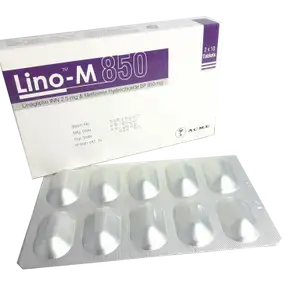
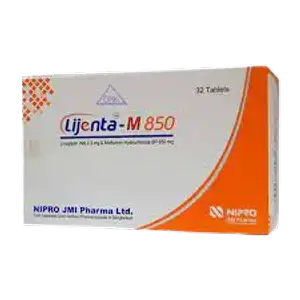
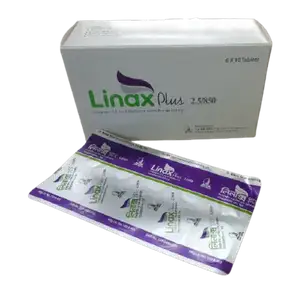
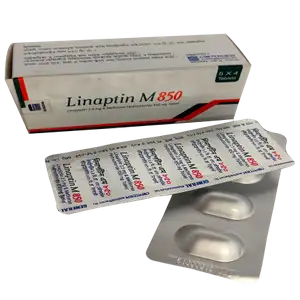
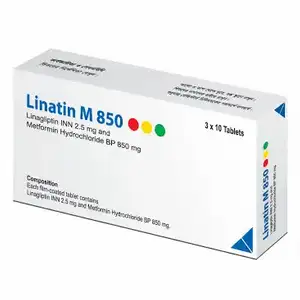
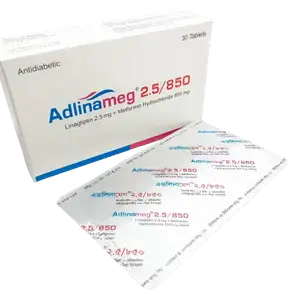
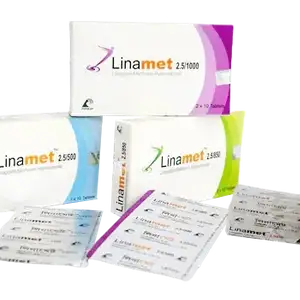
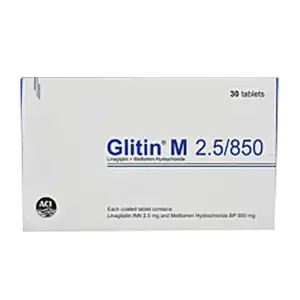
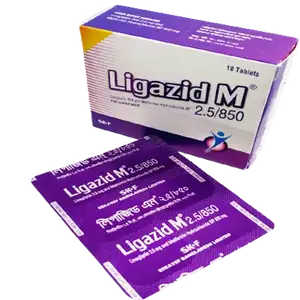
Linatab M 2.5/850 Tablet
by Incepta Pharmaceuticals Ltd
৳14.00
Pacific Pharmaceuticals Ltd.
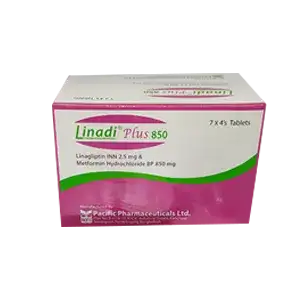
Linagliptin + Metformin Hydrochloride
When linagliptin and metformin hydrochloride are used at the same time, it can be used as a diet and exercise aid to improve blood sugar control in adults with type 2 diabetes.
Linagliptin is used to improve blood sugar control in patients with type 2 diabetes. Linagliptin is an inhibitor of DPP4 (dipeptidyl peptidase 4), which is an enzyme that degrades the incretin hormones GLP1 (glucagon-like peptide 1) and GIP (insulin-stimulating polypeptide-dependent glucose). Therefore, Linagliptin increases the concentration of active incretin hormone, stimulates pancreatic β (β) cells to release insulin in a glucose-dependent manner, and reduces the secretion of glucagon from pancreatic α (α) cells in the circulation.
Metformin hydrochloride is an oral biguanide hypoglycemic agent, used to treat type 2 diabetes, which can reduce basal and postprandial blood sugar. Its mechanism of action is different from that of sulfonylureas and does not produce hypoglycemia. Metformin hydrochloride reduces the production of liver glucose, reduces the absorption of intestinal glucose, and improves insulin sensitivity by increasing the absorption and utilization of peripheral glucose.
Linagliptin & Metformin immediate release tablet: The dosage of Linagliptin & Metformin should be individualized on the basis of both effectiveness and tolerability. Maximum recommended dose of 2.5 mg Linagliptin and 1000 mg Metformin Hydrochloride twice daily with meals. Dose escalation should be gradual to reduce the gastrointestinal (GI) side effects associated with Metformin Hydrochloride use.
Recommended starting dose: In patients currently not treated with Metformin Hydrochloride, initiate treatment with 2.5 mg Linagliptin and 500 mg Metformin Hydrochloride twice daily.
In patients already treated with Metformin Hydrochloride, start with 2.5 mg Linagliptin and the current dose of Metformin Hydrochloride twice daily.
Patients already treated with Linagliptin and Metformin Hydrochloride, individual components may be switched to this combination containing the same doses of each component.
Linagliptin & Metformin extend release tablet: The dosage of this combination should be individualized on the basis of both effectiveness and tolerability, while not exceeding the maximum recommended total daily dose of Linagliptin 5 mg and Metformin Hydrochloride 2000 mg. this combination should be given once daily with a meal.
Recommended starting dose: In patients currently not treated with metformin, initiate this combination treatment with 5 mg Linagliptin/1000 mg Metformin Hydrochloride extended-release once daily with a meal.
In patients already treated with Metformin, start this combination with 5 mg of Linagliptin total daily dose and a similar total daily dose of Metformin once daily with a meal.
In patients already treated with Linagliptin & Metformin immediate release tablet, switch to extend release tablet containing 5 mg of Linagliptin total daily dose and a similar total daily dose of Metformin once daily with a meal.
5 mg Linagliptin & 1000 mg Metformin Hydrochloride extended-release tablet should be taken as a single tablet once daily. Patients using 2.5 mg Linagliptin & 1000 mg Metformin extended release tablets should take two tablets together once daily.
Cationic drugs (amiloride, digoxin, morphine, ranitidine, trimethoprim etc.): May reduce metformin elimination.
P-glycoprotien/CYP3A4 inducer (i.e. rifampin): The efficacy of this medicine may be reduced when administered in combination.
Although linagliptin is excreted very little by the kidneys, it is known that metformin hydrochloride is mainly excreted by the kidneys. The risk of metformin hydrochloride accumulation and lactic acidosis increases with the degree of renal failure. Therefore, this combination is contraindicated in patients with renal insufficiency. Acute or chronic metabolic acidosis (diabetic ketoacidosis) and those who are allergic to linagliptin or metformin hydrochloride are contraindicated.
The most common side effects are nasopharyngitis and diarrhea. Hypoglycemia is more common in patients receiving this combination drug and sulfonylureas.
There are no adequate and well-controlled studies on the use of this combination or its individual components in pregnant women; therefore, it should only be used during pregnancy when clearly necessary. Caution should also be exercised when administered to nursing mothers.
For patients with lactic acidosis taking metformin, the drug should be stopped immediately and supportive treatment started immediately. There have been post-marketing reports of acute pancreatitis. If pancreatitis is suspected, linagliptin and metformin should be discontinued immediately. Linagliptin and metformin are temporarily discontinued in patients undergoing radiological studies with intravascular injection of iodinated contrast agents or any surgical operation that requires restriction of food and fluid intake. Metformin can lower vitamin B12 levels; therefore, hematologic parameters should be monitored annually.
Combination Oral hypoglycemic preparations
Keep in a cool & dry place (below 30°C), protected from light & moisture. Keep out of the reach of children.
Pacific Pharmaceuticals Ltd.