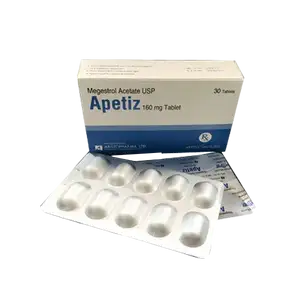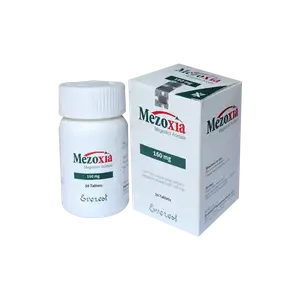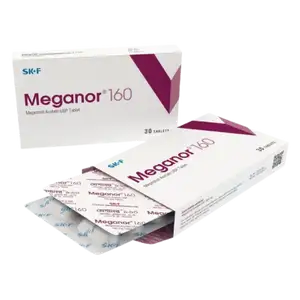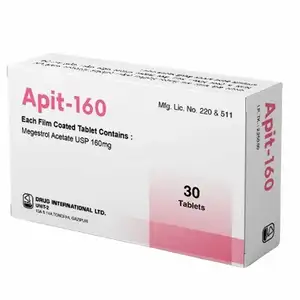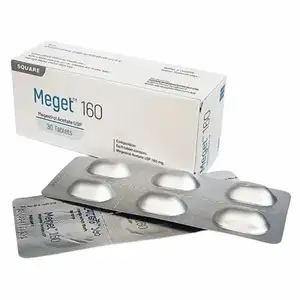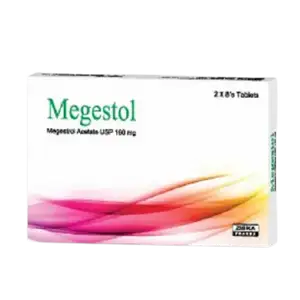
Megestol Tablet
by Ziska Pharmaceuticals Limited
৳80.00
Beacon Pharmaceuticals Limited
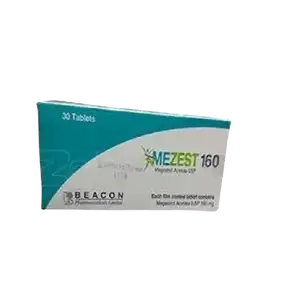
Megestrol Acetate
Megestrol Acetate is used for the palliative treatment of advanced breast or endometrial cancer (i.e., recurrent, inoperable, or metastatic disease). It should not be utilized in place of current treatments including surgery, radiation, or chemotherapy.
Megestrol Acetate is a progestational and antineoplastic synthetic medication. While the exact method by which Megestrol Acetate exerts its anti-endometrial cancer actions is unknown at this time, suppression of pituitary gonadotrophin synthesis and the resulting decrease in estrogen release could be factors. Megestrol acetate has antineoplastic effects on breast cancer through altering the function of other steroid hormones and exerting a direct cytotoxic effect on tumor cells. Hormone receptors may be present in some tissues but not others in metastatic cancer.Estrogen generated by the ovaries enters the target cell, forms a compound with the cytoplasmic receptor, and is carried into the cell nucleus in a cyclic process. It causes gene transcription to be induced, causing normal cell processes to be disrupted. Megestrol acetate in pharmacologic quantities not only reduces the number of hormone-dependent human breast cancer cells, but it also modifies and eliminates the stimulatory effects of estrogen on these cells.
Megestrol Acetate plasma levels are estimated based on the measurement method utilized. After a single oral administration of 160 mg tablets, plasma concentrations peak 2 to 3 hours later. Megestrol Acetate has a plasma half-life of 33 to 38 hours. Approximately 66 percent of an administered dose is eliminated in the urine, with the remaining 20% deposited in the feces.
Pharmacokinetic studies have shown that when megestrol acetate is administered with these drugs, the pharmacokinetic parameters of zidovudine or rifabutin do not change significantly, and the dosage needs to be adjusted. The effect of zidovudine or rifabutin on the pharmacokinetics of megestrol acetate has not been studied.
Hypersensitivity to Megestrol Acetate or any other component of the formulation in the past. Pregnancy is known or suspected.
Weight Gain: A common side effect of Megestrol Acetate is weight gain. This weight gain has been linked to an increase in appetite but not necessarily to fluid retention.
Thromboembolic Phenomena: Thromboembolic phenomena have been described, including thrombophlebitis and pulmonary embolism (which can be fatal).
Glucocorticoid Effects: Megestrol Acetate's glucocorticoid action has not been thoroughly investigated. New onset diabetes, worsening of preexisting diabetes, and overt Cushing's syndrome have all been linked to long-term usage of Megestrol Acetate. In addition, clinical cases of adrenal insufficiency have been seen in both stressed and non-stressed patients receiving or discontinuing chronic Megestrol Acetate medication.
Nausea, dyspnea, tumor flare-up, hyperglycemia, glucose intolerance, alopecia, hypertension, carpal tunnel syndrome, mood swings, hot flashes, asthenia, lethargy, sweating, and rash are some of the other symptoms.
The use of category D is not recommended. The use of the Progester medication during the first four months of pregnancy. Very small amounts (around 0.1%) are excreted to the milk of mothers. However, it is not known if these amounts have a detrimental effect on newborns. A newborn nurse should be canceled during treatment with a magnetrol acetate.
Any patient being treated for recurrent or metastatic cancer should be monitored closely. In patients with a history of thromboembolic illness, use with caution.
Use in Diabetics: Megestrol Acetate has been linked to an increase in insulin needs and an exacerbation of underlying diabetes.
Hormonal Chemotherapy is a type of chemotherapy that uses hormones to kill cancer cells.
Keep the temperature below 25°C. Heat, light, and moisture should all be avoided.
Beacon Pharmaceuticals Ltd.
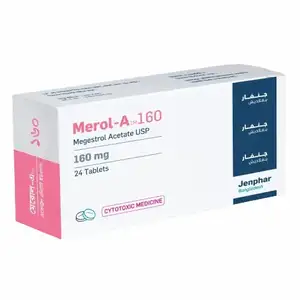
by Jenphar Bangladesh Ltd.
৳90.00