MM Kit Tablet
by Ziska Pharmaceuticals Limited
৳300.00
EURO Pharma Ltd.
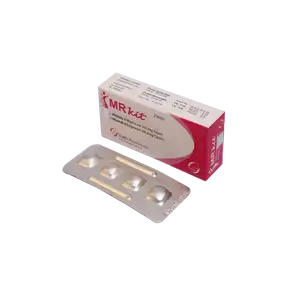
Mifepristone + Misoprostol
This kit is for early Menstrual Regulation (MR) and pregnancy termination up to 9 weeks (63 days) of pregnancy.
Mifepristone: Mifepristone is a synthetic steroid with anti-progesterone activity that comes from a competitive interaction with progesterone at the progesterone receptor site. According to the study of various oral doses in several animals, the compound may inhibit the activity of endogenous or exogenous progesterone and the results of menstrual regulation (MR). During pregnancy, the compound sensitizes the myometrium to the contraction-inducing activity of prostaglandins.
Misoprostol: Misoprostol is a synthetic analog of prostaglandin E1. It causes the myometrium to contract by interacting with specific receptors on myometrial cells. This interaction causes a change in calcium concentration, which causes muscle contraction. By interacting with prostaglandin receptors, misoprostol causes softening of the cervix and contractions of the uterus, leading to the expulsion of uterine contents.
This can only be prescribed by qualified medical professionals who are able to assess the gestational age of an embryo and to diagnose ectopic pregnancies. The qualified medical professionals must also be able to provide surgical Intervention/MVA (Manual Vaccum Aspiration) in cases of incomplete abortion or severe bleeding or have made plans to provide such care through others and be able to assure patient access to medical facilities equipped to provide blood transfusions and resuscitation, if necessary.
Day 1 (First visit): Mifepristone administration: One tablet of Mifepristone (200 mg) is taken in a single oral dose under the supervision of a qualified medical professional in a clinic, medical office or hospital.
Day 2 (Second visit): Misoprostol administration: 24-48 hours after ingesting the Mifepristone tablet, the patient takes four 200 microgram tablets (800 micrograms) of Misoprostol buccally or sublingually. Misoprostol tablets can be administered by the patient herself (place two tablets on each side of cheeck & gum or under the tongue). She should wait for 30 minutes. During the period immediately following the administration of Misoprostol, the patient may need medication for cramps or gastrointestinal symptoms. The patient should be given instructions on what to do if significant discomfort, excessive bleeding or other adverse reactions occur and should be given a phone number to call if she has questions following the administration of Misoprostol.
Day 10 to 14 (Third visit): Post-treatment examination: Patients must return to the clinic, medical office or hospital within 10 to 14 days after the administration of mifepristone. This visit is very important to confirm by clinical examination or ultrasonographic scan that a complete termination of pregnancy has occurred.
Patients who have an ongoing pregnancy at this visit have a risk of fetal malformation resulting from the treatment. Surgical termination/MVA is recommended to manage Menstrual Regulation (MR)/termination of pregnancy failures.
Mifepristone: Although specific medication or food interactions with Mifepristone have not been examined, CYP 3A4 metabolism of this drug suggests that ketoconazole, itraconazole, erythromycin, and grapefruit juice may decrease its metabolism (increasing serum levels of mifepristone).
Misoprostol: It has not been established that misoprostol interferes with aspirin's positive effects on rheumatoid arthritis signs and symptoms. Misoprostol has no clinically relevant impact on aspirin absorption, blood levels, or antiplatelet effects when used in therapeutic doses.
Mifepristone's administration is contraindicated in patients with one of the following conditions: History of allergy or known hypersensitivity to Mifepristone, misoprostol or other prostaglandin, confirmed or suspected of ectopic pregnancy or mass annoyed not diagnosed (the treatment procedure will not be effective for the Finishing an ectopic pregnancy), IUD, instead, chronic adrenal insufficiency, hemorrhagic disorders or competing anticoagulant therapy, hereditary porfyria, if a patient does not have adequate access to medical facilities equipped to provide an emergency treatment of incomplete processes, blood transfusions And emergency resuscitation during the first visit the period until the administrator's doctor is downloaded.
Mifepristone: This medication is used to cause vaginal bleeding and uterine cramping, both of which are important for menstrual regulation (MR). Nausea, vomiting, and diarrhoea were the most commonly reported side effects. Pelvic pain, fainting, headaches, dizziness, and asthenia were all reported on a very rare basis.
Shivering, hyperthermia, dizziness, pain due to uterine contractions, severe vaginal bleeding, shock, pelvic pain, uterine rupture (requiring surgical repair, hysterectomy, and/or salpingo-oophorectomy), shivering, hyperthermia, dizziness, shivering, hyperthermia, dizziness, shivering, hyperthermia, dizziness, shivering, hyperthermia.
Mifepristone for pregnancy: for menstrual regulation (MR) (63rd days of pregnancy) and there are no other approved indications for use during pregnancy. Patients who were pregnant during the last visit are at risk of developing fetal malformations due to the treatment. It is recommended that the surgery be stopped to deal with the failure of menstrual regulation (MR) treatment.
Lactation
Mifepristone: It is not known whether mifepristone is excreted in breast milk. However, many hormones with a similar chemical structure are excreted in breast milk. Since the effect of mifepristone on the baby is not yet known, women who are breastfeeding should consult a doctor to decide whether to discard breast milk within a few days after taking the drug.
Misoprostol: Although it is not known whether misoprostol or misoprostol will be excreted from breast milk, misoprostol should not be given to breastfeeding mothers because breastfed babies may secrete misoprostol. This leads to diarrhea.
The patient should not give a combination of mifepristone and misoprostol to anyone else. The combination of Mifepristone and Misopostolo has been prescribed for the specific condition of the patient, may not be the correct treatment for another person, and can be dangerous to the other person if you are or being pregnant. Any intra-uterine device [DIA] must be canceled before the treatment with Mifepristone starts. The menstrual regulation (MR) by surgery is recommended in cases where the combination of mifepristone and misoprostol does not cause the menstrual regulation (MR). Patients who have a current pregnancy last time have the risk of fetal malformations deriving from treatment. Surgical / MVA termination is advised to manage the menstrual regulation (MR) / cessation of pregnancy failures.
Drugs acting on the Uterus, Prostaglandin analogues
Store in a cool and dry place, protected from light.
Euro Pharma Ltd.

by Sharif Pharmaceuticals Ltd.
৳300.90