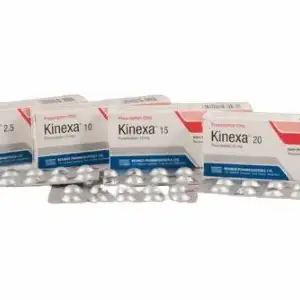
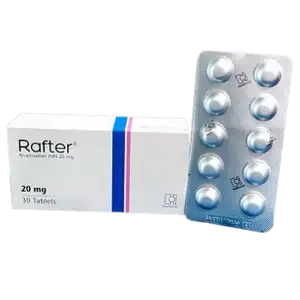
Rivarox 20 Tablet
by SK+F
৳45.00
ACI Limited
Rivaroxaban
Rivaroxaban 2.5 mg:
Rivaroxaban 10-20 mg:
Rivaroxaban is a direct factor Xa inhibitor with a high selectivity. Factor Xa inhibition reduces thrombin production by interrupting the intrinsic and extrinsic pathways of the blood coagulation cascade. Rivaroxaban has been shown to have no impact on platelets and does not block thrombin (activated factor II).
Rivaroxaban 2.5 mg:
Rivaroxaban 10-20 mg:
May be taken with or without food.
Rivaroxaban exposure and pharmacodynamic effects (factor Xa inhibition and PT prolongation) are increased when used with medicines that are combination P-gp and CYP3A4 inhibitors (ketoconazole, ritonavir, clarithromycin, erythromycin, fluconazole, diltiazem, verapamil, dronedarone). Rivaroxaban should not be used with a combination P-gp and strong CYP3A4 inducer (e.g., rifampicin, phenytoin, carbamazepine) since it reduces the effectiveness of Rivaroxaban. The use of anti-platelet medicines, heparin, fibrinolytic treatment, and NSAIDs at the same time may increase the risk of bleeding.
It is not recommended for patients who have a known hypersensitivity to Rivaroxaban or any of the product's excipients. It is also not recommended for individuals who are experiencing active pathological bleeding.
Increased risk of bleeding, spinal or epidural hematoma, and increased risk of stroke after cessation in nonvalvular atrial fibrillation are the most prevalent adverse effects of Rivaroxaban.
Rivaroxaban is classified as a pregnancy category C medication. Rivaroxaban has not been studied in pregnant women in sufficient or well-controlled trials, and dosage for pregnant women has not been established. Rivaroxaban is not known to be excreted in human milk. Rivaroxaban's safety and effectiveness in nursing mothers has yet to be determined.
In the absence of appropriate alternative anticoagulation, abruptly stopping Rivaroxaban increases the risk of thrombotic events. In the presence of the following risk factors, rivaroxaban increases the risk of bleeding, which can be fatal: bleeding disorders, uncontrolled severe arterial hypertension, gastrointestinal disease (e.g., inflammatory bowel disease, oesophagitis, gastritis, and gastroesophageal reflux disease), vascular retinopathy, bronchiectasis, and a history of pulmonary bleeding. In the event of neuraxial anesthesia (spinal/epidural anesthesia) or spinal puncture, signs or symptoms of neurological impairment should be observed since epidural or spinal hematoma can occur.
Oral Anti-coagulants
Store in a cool (below 30°C) and dry location away from direct sunlight. Keep it out of children's reach.
ACI Limited