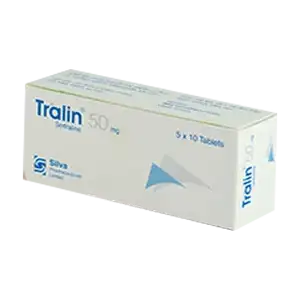
Setra 50 Tablet
by GENERAL Pharmaceuticals Ltd.
৳7.00
SUNMAN-BIRDEM Pharma Ltd.

Sertraline Hydrochloride
Sertraline is used to treat the following conditions: Major depressive disorder (MDD)
Obsessive-compulsive disorder (OCD) is a kind of obsessive-compul (OCD)
Anxiety disorder (PD)
Post-traumatic stress disorder (PTSD) is a type of anxiety condition that occurs (PTSD)
Anxiety about social situations (SAD)
Premenstrual dysphoric disorder (PMDD) is a kind of premenstrual dysphor (PMDD).
Sertraline inhibits CNS neuronal 5-HT absorption in a strong and selective manner, resulting in higher 5-HT concentrations at synaptic clefts and acceleration of sustained 5-HT activity at postsynaptic receptor sites. It eventually leads to a reduction in depression. Sertraline's effect is additionally complicated by the fact that it reduces serotonin turnover in the brain. Because of its lengthy elimination half-life, it can be taken just once a day.
Adults-
Major depressive disorder:
Obsessive-compulsive disorder:
Panic disorder, Post-traumatic stress disorder, Social anxiety disorder:
Pediatric Patients (ages 6-12 years old)-
Obsessive-compulsive disorder:
The recommended interval between dose changes is one week.
Premenstrual dysphoric disorder (PMDD): Starting dosage for PMDD is 50 mg/day. Sertraline may be administered either continuously (every day throughout the menstrual cycle) or intermittently (starting the daily dosage 14 days prior to the anticipated onset of menstruation and continuing through the onset of menses). Intermittent dosing would be repeated with each new cycle.
Sertraline is firmly attached to plasma protein, thus giving it to a patient who is also taking another medication that is tightly bound to protein (e.g. warfarin, digitoxin) might produce a change in plasma concentrations, potentially causing an undesirable impact. Displacement of protein-bound Sertraline by other firmly bound medicines, on the other hand, may have negative consequences. Sertraline may interact with other medications including Cimetidine, CNS active medicines like Diazepam, Hypoglycemic meds, and Atenolol, among others.
Sertraline is not recommended for individuals who have a known allergy to the medication or any of its excipients. It is not advised for people with moderate to severe hepatic impairment.
Sertraline can cause stomach trouble, diarrhoea, constipation, vomiting, dry mouth, loss of appetite, weight gain, sleepiness, dizziness, headache, discomfort, burning or tingling in the hands or feet, excitation, and a sore throat, among other things.
Sertraline's safety during human pregnancy has not been proved, despite the fact that no indication of teratogenicity has been found in animal research. Sertraline has been found to pass through breast milk. Its impact on breastfeeding infants has yet to be determined. If Sertraline therapy is required, it may be essential to stop breastfeeding.
If you have liver illness, renal disease, seizures, heart disease, or allergies, you should use care. This medication may induce drowsiness or dizziness. Activities that need attentiveness, such as driving or operating machinery, should be approached with caution. When taking this medication in the elderly, exercise caution because they may be more susceptible to the drug's effects. If you've used a monoamine oxidase inhibitor in the previous five weeks, don't take this medication. Suicidal ideation and behavioural changes are a possibility (close monitoring of the patient after 2 to 3 weeks of use is required).
SSRIs & related anti-depressant drugs
Do not store at temperatures above 30°C. Keep out of children's reach.
Sunman-Birdem Pharma Ltd.
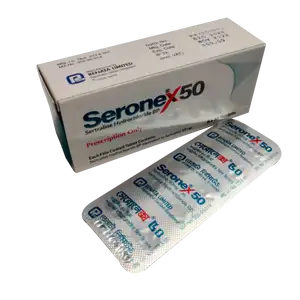
by Renata Pharma Ltd
৳6.00