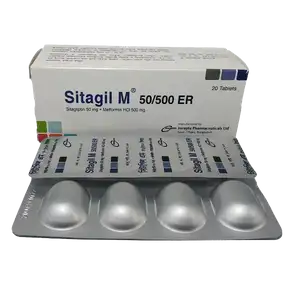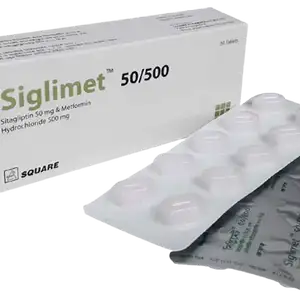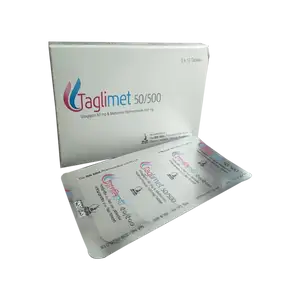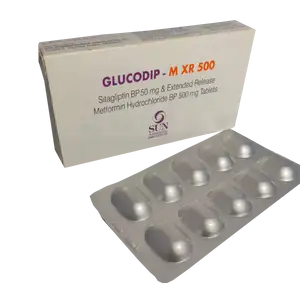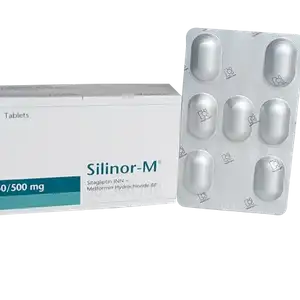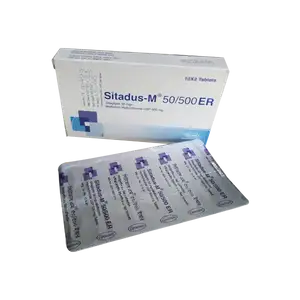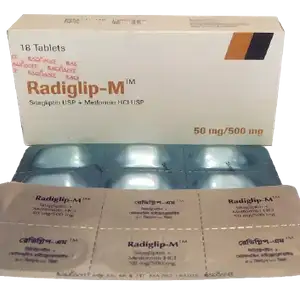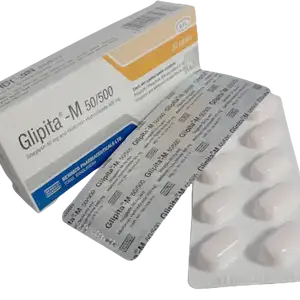
Glipita-M 50/500 Tablet
by Beximco Pharmaceuticals Ltd.
৳16.00
ACI Limited
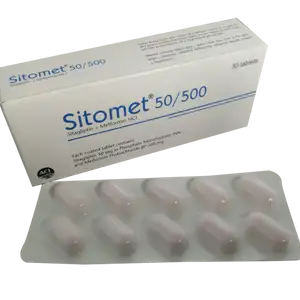
Sitagliptin + Metformin Hydrochloride
When both sitagliptin and metformin medication is appropriate, this is advised as an addition to diet and exercise to enhance glycemic control in persons with type 2 diabetes mellitus. Important usage restrictions:
This pill combines two antihyperglycemic medicines with complimentary modes of action to help patients with type 2 diabetes improve their glycemic control. Metformin HCl, a member of the biguanide class, and Sitagliptin, a dipeptidyl peptidase-4 (DPP-4) inhibitor. Sitagliptin is a dipeptidyl peptidase-4 (DPP-4) inhibitor that is thought to decrease the progression of type 2 diabetes in people..
Dose of film-coated tablet: The dosage of this tablet should be individualized on the basis of the patient's current regimen, efectiveness, and tolerability while not exceeding the maximum recommended daily dose of 100 mg sitagliptin and 2000 mg metformin. Initial combination therapy or maintenance of combination therapy should be individualized and left to the discretion of the health care provider.
Cationic Medicines: Cationic drugs are removed from the body by renal tubular secretion: Use at your own risk.
Phenprocoumon: Metformin may reduce phenprocoumon's anticoagulant impact. As a result, careful monitoring of the INR is advised.
Metformin's hypoglycemia effect can be reduced by taking levothyroxine. Blood glucose levels should be monitored, especially when thyroid hormone therapy is started or stopped, and metformin dosage should be modified if necessary.
Renal disease or renal dysfunction, as shown by serum creatinine values of 1.5 mg/dL [males], 1.4 mg/dL [females] or aberrant creatinine clearance, which can also be caused by situations including cardiovascular collapse (shock), acute myocardial infarction, and septicemia, is contraindicated.
The most common adverse reactions reported in ≥5% of patients simultaneously started on sitagliptin and metformin and more commonly than in patients treated with placebo were diarrhea, upper respiratory tract infection, and headache.
Adverse reactions reported in ≥5% of patients treated with sitagliptin in combination with sulfonylurea and metformin and more commonly than in patients treated with placebo in combination with sulfonylurea and metformin were hypoglycemia and headache.
Pregnancy Classification B. Because no appropriate and well-controlled trials with Sitagliptin Phosphate Monohydrate INN/Metformin Hydrochloride BP or its individual components have been conducted in pregnant women, the safety of Sitagliptin Phosphate Monohydrate INN/Metformin Hydrochloride BP in pregnant women is unknown. This tablet should only be taken during pregnancy if absolutely necessary.
Sitagliptin is not known to be excreted in human milk. Because many medications are excreted in human milk, this tablet should be used with caution if given to a nursing mother.
Lactic Acidosis-
Lactic acidosis can occur due to metformin accumulation. The risk increases with conditions such as sepsis, dehydration, excess alcohol intake, hepatic insufciency, renal impairment, and acute congestive heart failure.
Symptoms include malaise, myalgias, respiratory distress, increasing somnolence, and nonspecifc abdominal distress. Laboratory abnormalities include low pH, increased anion gap and elevated blood lactate.
If acidosis is suspected, discontinue this tablet and hospitalize the patient immediately.
Regular monitoring of thyroid-stimulating hormone (TSH) levels is recommended in patients with hypothyroidism.
Long-term treatment with metformin has been associated with a decrease in vitamin B12 serum levels which may cause peripheral neuropathy. Monitoring of the vitamin B12 level is recommended.
Combination Oral hypoglycemic preparations
Keep the temperature below 30°C and away from light and moisture. Keep out of children's reach.
ACI Limited