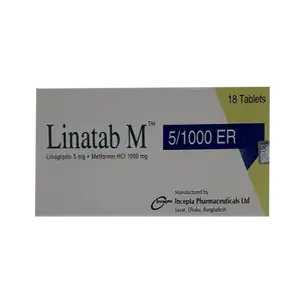
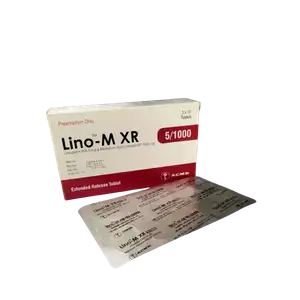
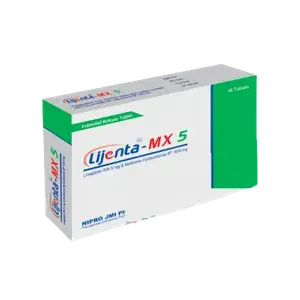
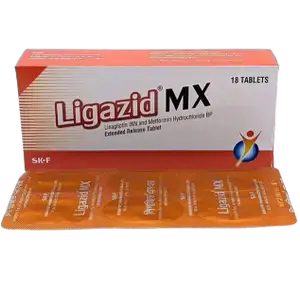
In a patient with lactic acidosis who is taking Metformin, the drug should be discontinued immediately and supportive therapy promptly instituted. There have been postmarketing reports of acute pancreatitis. If pancreatitis is suspected, promptly discontinue Linagliptin & Metformin. Temporarily discontinue Linagliptin & Metformin in patients undergoing radiologic studies with intravascular administration of iodinated contrast materials or any surgical procedures necessitating restricted intake of food and fluids. Metformin may lower Vitamin B12 levels; so hematologic parameters shoud be monitored annually.
Under certain conditions, too much metformin can cause lactic acidosis. The symptoms of lactic acidosis are severe and quick to appear, and usually occur when other health problems not related to the medicine are present and are very severe, such as a heart attack or kidney failure. Symptoms of lactic acidosis include: abdominal or stomach discomfort, decreased appetite, diarrhea, fast or shallow breathing, a general feeling of discomfort, muscle pain or cramping, and unusual sleepiness, tiredness, or weakness. Be sure to drink extra fluids when you exercise or increase your activity or if you have vomiting or diarrhea. Pancreatitis may occur while you are using this medicine. Check with your doctor right away if you have a sudden and severe stomach pain, chills, constipation, nausea, vomiting, loss of appetite, a fever, or lightheadedness. Need to temporarily stop taking this medicine before you have major surgery or diagnostic tests including procedures that use contrast dye.
It is very important to carefully follow any instructions from your health care team about:
- Alcohol: Drinking alcohol may cause severe low blood sugar.
- Other medicines: This especially includes nonprescription medicines such as aspirin, and medicines for appetite control, asthma, colds, cough, hay fever, or sinus problems.
- Counseling: Other family members need to learn how to prevent side effects or help with side effects if they occur.
- Travel: Keep a recent prescription and your medical history with you. Make allowances for changing time zones and keep your meal times as close as possible to your usual meal times.
- In case of emergency: There may be a time when you need emergency help for a problem caused by your diabetes. You need to be prepared for these emergencies. It is a good idea to wear a medical identification (ID) bracelet or neck chain at all times. Also, carry an ID card in your wallet or purse that says you have diabetes and that lists all of your medicines.
Linagliptin and metformin combination can cause hypoglycemia (low blood sugar). However, this can also occur if you delay or miss a meal or snack, drink alcohol, exercise more than usual, cannot eat because of nausea or vomiting, take certain medicines, or take linagliptin and metformin combination with another type of diabetes medicine. The symptoms of low blood sugar must be treated before they lead to unconsciousness (passing out). Different people feel different symptoms of low blood sugar. It is important that you learn which symptoms of low blood sugar you usually have so you can treat it quickly.