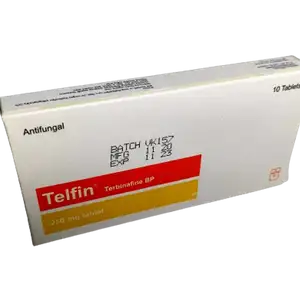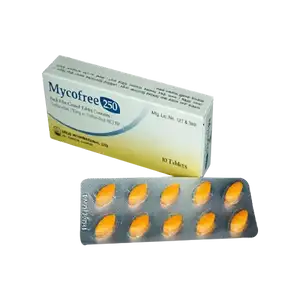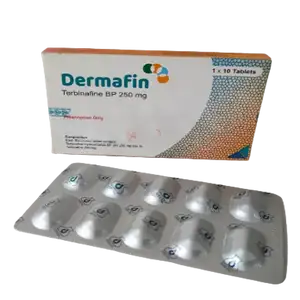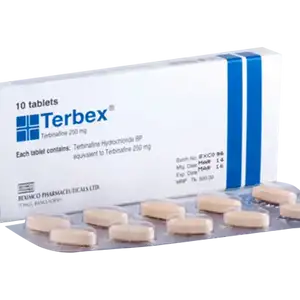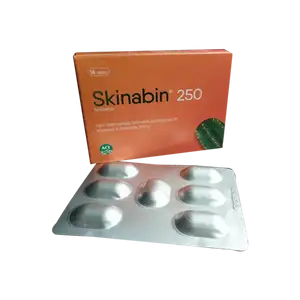
Xfin Tablet
by Square Pharmaceuticals Limited
৳40.00
Opsonin Pharma Limited
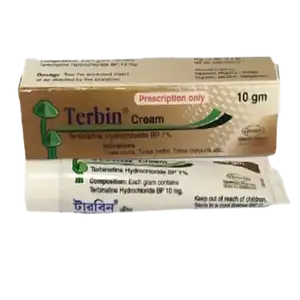
Terbinafine Hydrochloride
Terbinafine cream: Trichophyton (e.g. T. rubrum, T. mentagrophytes, T. verrucosum, T. violaceum), Microsporum canis, and Epidermophyton floccosum cause fungal infections of the skin. Yeast infections of the skin, mostly caused by the Candida genus (e.g. C. albicans). Due to Pityrosporum orbiculare, pityriasis (tinea) versicolor develops (also known as Malassezia furfur).
Terbinafine, an antifungal Allylamine, inhibits the formation of Ergosterol (an important component of fungi cell membranes) by inhibiting the Squalene Epoxidase enzyme. The enhanced membrane permeability caused by the accumulation of high amounts of Squalene, rather than Ergosterol deficiency, causes fungal cell death. Terbinafine hydrochloride may be fungicidal depending on the medication concentration and the fungus species tested in vitro. The clinical value of in vitro data, on the other hand, remains unknown. In vitro and in clinical infections, Terbinafine has been proven to be effective against most strains of the following microorganisms: Tricophyton Mentagrophyte and Trichophyton Rubrum.
Terbinafine cream should be used once or twice each day. Before applying the terbinafine cream, carefully clean and dry the afflicted areas. Apply a little coating of the cream to the afflicted skin and the surrounding region and gently rub it in. The application may be covered with a gauze strip in the case of intertriginous infections (submammary, interdigital, intergluteal, inguinal) at night. The following are the anticipated treatment durations:
Clinical symptoms are usually relieved within a few days. The risk of recurrence is increased by irregular treatment or early treatment cessation. After two weeks, if there are no signs of improvement, the diagnosis should be confirmed.
Terbinafine inhibits the CYP450 2D6 isozyme in vivo, according to research. Tricyclic antidepressants, selective serotonin reuptake inhibitors, beta-blockers, antiarrhythmics class 1C (e.g., flecainide and propafenone), and monoamine oxidase inhibitors Type B are among the drugs processed mostly by the CYP450 2D6 isozyme. Co-administration of terbinafine should be done with caution, and the dose of the 2D6-metabolized medication may need to be reduced.
Terbinafine tablets and cream are not recommended for people who are hypersensitive to terbinafine.
Gastrointestinal symptoms (including diarrhea, dyspepsia, and stomach discomfort), liver test abnormalities, rashes, urticaria, itching, and taste alterations are among the side effects recorded. In general, the side effects were minor and temporary, and they did not necessitate stopping the medication. Idiosyncratic and symptomatic hepatic injury, and more rarely, cases of liver failure, some resulting to death or liver transplant, serious skin responses, severe neutropenia, thrombocytopenia, angioedema, and allergic reactions, according to worldwide experience with terbinafine use (including anaphylaxis). Malaise, vomiting, arthralgia, myalgia, and hair loss. and weariness are further side effects that have been recorded.
Terbinafine cream has been shown to have no negative effects on foetal toxicity and fertility in animals. There is no clinical experience with terbinafine in pregnant women; consequently, terbinafine should not be used unless the possible benefits outweigh the potential risks. Terbinafine is secreted in breast milk, so mothers who are breastfeeding should avoid terbinafine medication.
Terbinafine is not indicated for people who have active or chronic liver disease. Pre-existing liver disease should be evaluated before Terbinafine is prescribed. Hepatotoxicity can affect persons with or without a history of liver disease. Before using terbinafine tablets, all patients should have their serum transaminase (ALT and AST) levels tested.
Topical antifungal medicines, drugs for subcutaneous and mycoses
Protect from light and store in a cool, dry area below 30°C.
Opsonin Pharma Ltd.
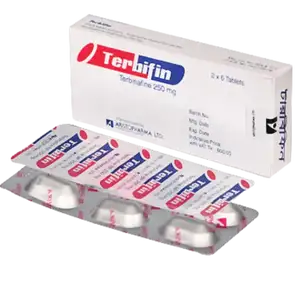
by Aristopharma Ltd.
৳50.00