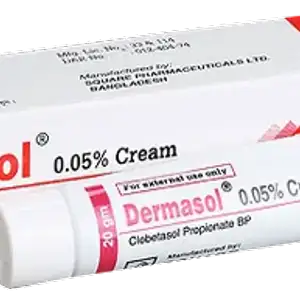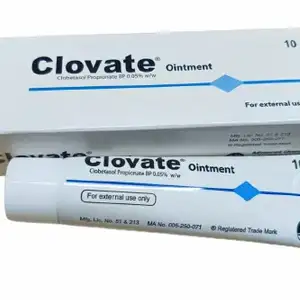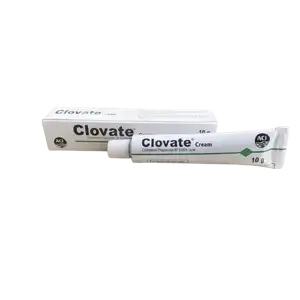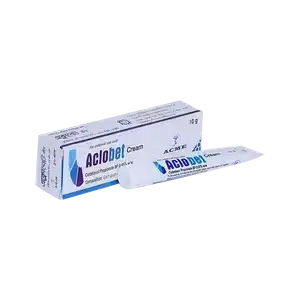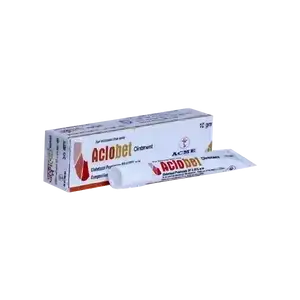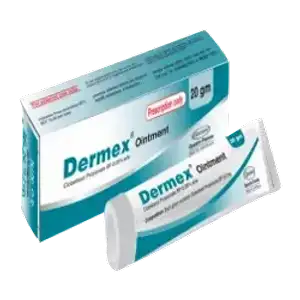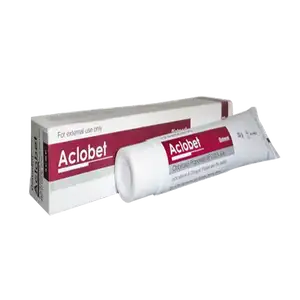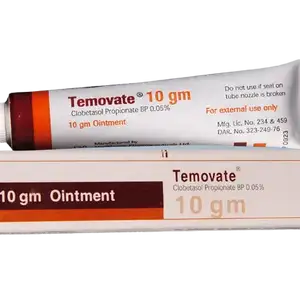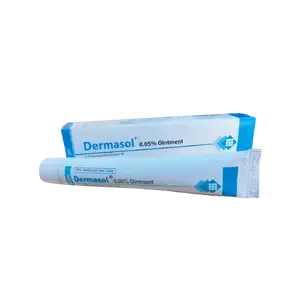
Dermasol 0.05% 20g Ointment
by Square Pharmaceuticals Limited
৳75.50
UniMed UniHealth Pharmaceuticals Ltd
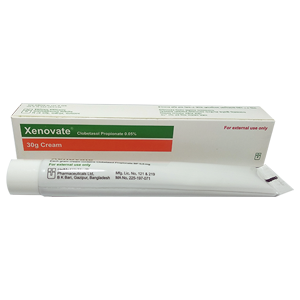
Xenovate 30g cream from UniMed UniHealth Pharmaceuticals & Generic is Clobetasol Propionate Topical Preparation 0.05%. Clobetasol Propionate is approved for the treatment of the following dermatoses in adults, the elderly, and children over the age of one year. Psoriasis (excluding widespread plaque psoriasis), Recalcitrant dermatoses, Lichen planus, Other skin conditions which do not respond satisfactorily to less potent steroids.
Clobetasol Propionate applies to adults, the elderly and children over 1 year of age with secondary skin disease.
Clobetasol propionate is a very potent topical corticosteroid. It has anti-inflammatory, antipruritic and vasoconstrictor properties. It shows anti-inflammatory activity through multiple mechanisms to inhibit allergic reactions at an advanced stage. It reduces the density of mast cells, chemotaxis and the activation of eosinophils. It also reduces the production of cytokines and inhibits the metabolism of arachidonic acid.
Adults, elderly and children over 1 year: Apply a thin layer of Clobetasol Propionate Cream or Ointment to the affected skin areas twice daily and rub in gently and completely. Repeated short courses of Clobetasol Propionate may be used to control exacerbations. In more resistant lesions, especially where there is hyperkeratosis, the effect of Clobetasol can be enhanced, if necessary, by occluding the treatment area with polythene film. Overnight occlusion only is usually adequate to bring about a satisfactory response. Clobetasol Propionate is super-high potency topical corticosteroids; therefore, treatment should be limited to 2 consecutive weeks. The maximum weekly dose should not be exceeded 50 gm/week. In case of children, courses should be limited if possible to five days and reviewed weekly.
Route of administration: Cutaneous. Creams are especially appropriate for moist or weeping surfaces. Ointments are especially appropriate for dry, lichenified or scaly lesions.
Co-administered drugs that have been shown to inhibit CYP3A4 (such as ritonavir, itraconazole) can inhibit corticosteroid metabolism, increasing systemic exposure.
Patients allergic to any component of the preparation are contraindicated. Rosacea, acne vulgaris, perioral dermatitis, perianal and genital itching, itching without inflammation, untreated skin infections, etc. should not be used.
The most commonly reported side effects are a burning sensation and a tingling sensation. Reactions that are less frequent are itching, skin atrophy, skin cracks and cracks. Cushing's syndrome has been reported in infants and adults as a result of long-term use of topical Clobetasol Propionate formulations.
There are limited data on the use of clobetasol propionate cream in pregnant women. Administration of topical corticosteroids to pregnant animals may cause abnormalities in fetal development. The relevance of this finding to humans has yet to be determined. However, the use of Clobetasol Propionate Cream during pregnancy and lactation should only be considered if the expected benefit to the mother outweighs the possible risks of treatment.
It is not known whether this drug is excreted in human milk. Since many drugs are excreted in human milk, caution should be exercised when clobetasol propionate cream is administered to a nursing woman.
When using occlusive dressings, clean the skin before applying new dressings. Local corticosteroids should be used with caution in psoriasis, because rebound recurrence may occur, and local or systemic toxicity may occur due to impaired skin barrier function. If used on the face, treatment should be limited to 5 days. When using clobetasol propionate on the eyelids, care should be taken to avoid the eyes, as repeated exposure can cause cataracts and glaucoma.
Other Topical corticosteroids
Keep below 30°C temperature, protected from light and moisture. Do not freeze. Keep out of the reach of children.
UniMed UniHealth Pharmaceuticals Ltd