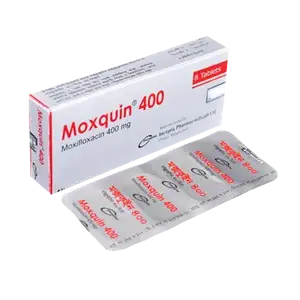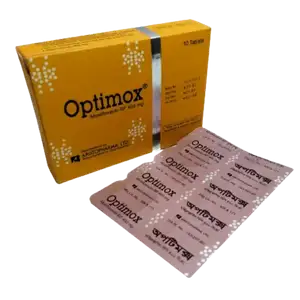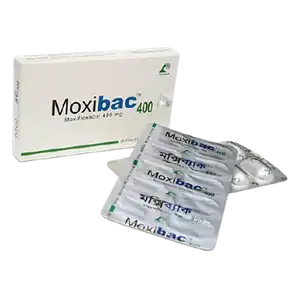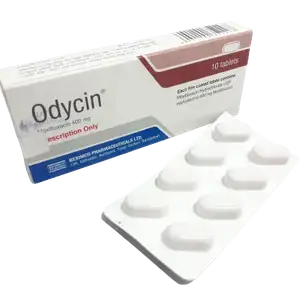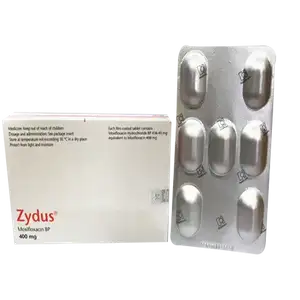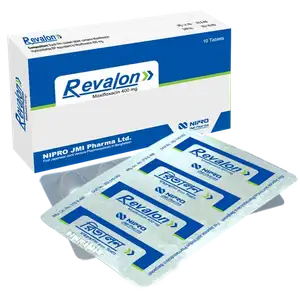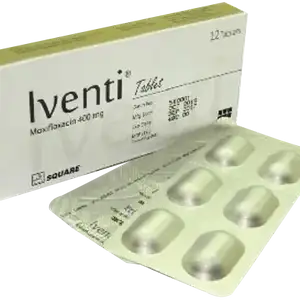
Iventi Tablet
by Square Pharmaceuticals Limited
৳50.00
The ACME Laboratories Ltd.

Moxifloxacin Hydrochloride
Acute bacterial sinusitis, acute exacerbation of chronic bronchitis, community-acquired pneumonia, uncomplicated and complicated skin and skin structure infections, complicated intra-abdominal infections, and pelvic inflammatory disease are among the conditions for which moxifloxacin is prescribed.
Moxifloxacin belongs to the fluoroquinolone class of antibacterial drugs, and it is a 4th generation synthetic broad spectrum antibacterial medication. It works against a wide spectrum of bacteria, including Mycoplasma pneumoniae, that are gram-positive, gram-negative, anaerobic, and atypical. Topoisomerase II (DNA gyrase) and topoisomerase IV, which are required for bacterial DNA replication, transcription, and repair, are inhibited.
Acute bacterial sinusitis: 400 mg once daily 7-10 days.
Acute bacterial exacerbation of chronic bronchitis: 400 mg once daily 5-10 days.
Community-acquired pneumonia: 400 mg once daily 7-14 days.
Uncomplicated skin and skin structure infections: 400 mg once daily 7 days.
Complicated skin and skin structure infections: 400 mg once daily 7-21 days.
Complicated intra-abdominal infections: 400 mg once daily 5-14 days.
Pelvic inflammatory disease: 400 mg once daily 14 days.
Moxifloxacin belongs to the fluoroquinolone class of antibacterial drugs, and it is a 4th generation synthetic broad spectrum antibacterial medication. It works against a wide spectrum of bacteria, including Mycoplasma pneumoniae, that are gram-positive, gram-negative, anaerobic, and atypical. Topoisomerase II (DNA gyrase) and topoisomerase IV, which are required for bacterial DNA replication, transcription, and repair, are inhibited.
Patients having a history of hypersensitivity to Moxifloxacin or other quinolones should avoid it.
Nausea, vomiting, diarrhea, headaches, and dizziness are all common Moxifloxacin side effects.
Nausea, vomiting, diarrhea, headaches, and dizziness are all common Moxifloxacin side effects.
Tendinitis and tendon rupture are possible side effects of moxifloxacin. If a tendon becomes inflamed or painful, it should be stopped. It should not be used in individuals who have a known prolongation of the QT interval, hypokalemia that has not been addressed, or who are taking Class IA or Class III antiarrhythmics.
4-Quinolone preparations
ACME Laboratories Ltd.
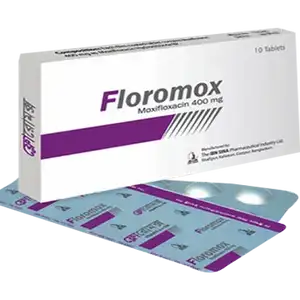
by The IBN SINA Pharmaceutical Industry Ltd.
৳40.00